Essential Checklist: Frequent Engine Problems and Vital Checks Before Purchasing a Ford Ranger T6
When looking into the buying of a Ford Ranger T6, a structured approach is crucial. Typical engine problems can lead to significant repair costs if left unchecked. Critical evaluations, including inspections for leaks and performance issues, prove vital in making an well-considered purchase. Understanding the vehicle's history and symptoms of potential problems can offer important guidance. But what specific areas should purchasers examine to ensure dependability?
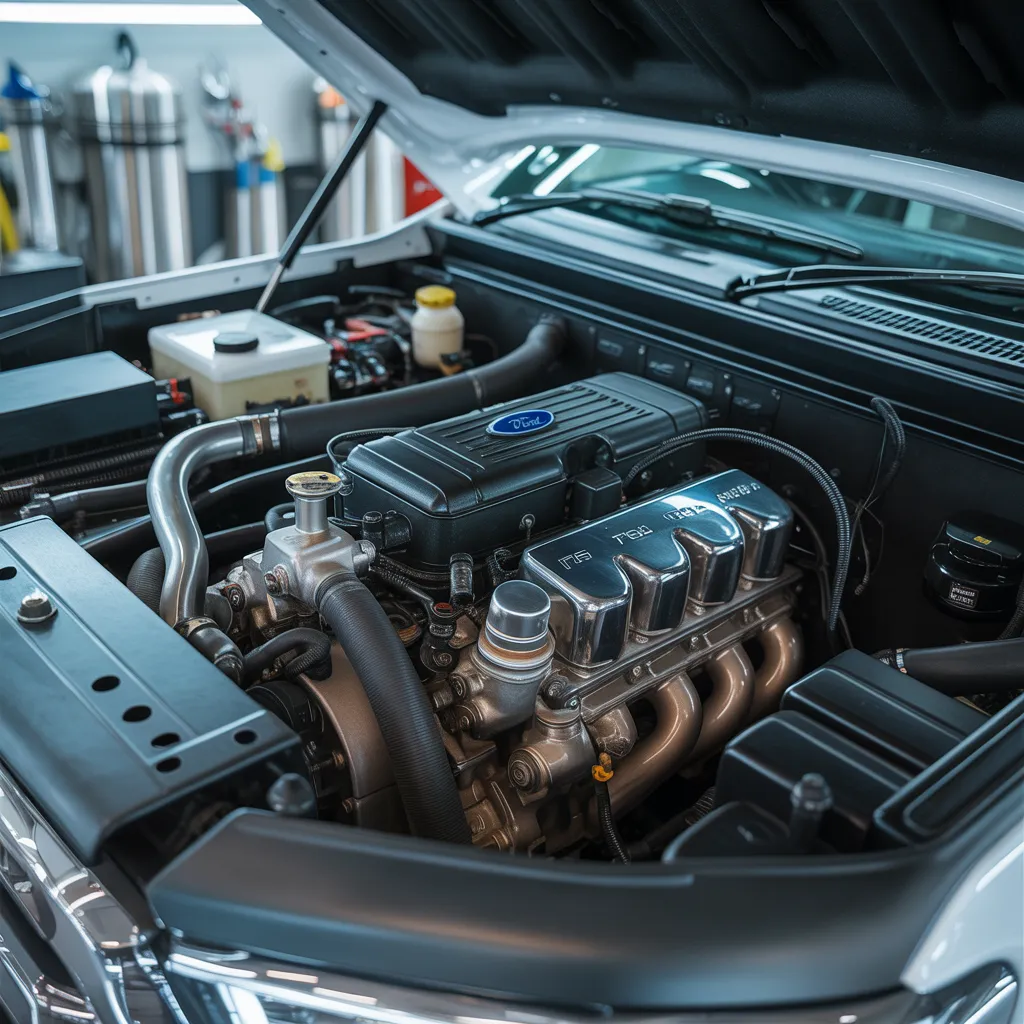
Recognize Frequent Engine Issues in Ford Ranger T6
Although the Ford Ranger T6 is renowned for its durability, it is still susceptible to engine complications that can affect reliability and performance. Typical concerns encompass oil leaks, often originating from faulty gaskets or worn seals, which can cause decreased oil pressure and consequential engine damage. In addition, fuel injector issues can develop, resulting in rough idling and poor fuel economy. Owners may additionally encounter turbocharger issues, particularly in diesel models, which can decrease power output and increase exhaust smoke.
Another prevalent concern is the timing belt and chain deterioration, which, if ignored, can lead to devastating engine damage. Furthermore, overheating can stem from a malfunctioning cooling system, causing severe engine problems. Such concerns highlight the necessity of routine upkeep and comprehensive inspections for potential owners to ensure the durability and dependability of the Ford Ranger T6.
Critical Overheating Indicators to Recognize in Ford Ranger T6
In the Ford Ranger T6, overheating frequently presents itself through particular warning light signals on the dashboard. Furthermore, a detailed examination of the coolant level is critical to preventing engine damage. Recognizing these symptoms early can help mitigate serious engine issues.
Warning Light Signals
How does a driver recognize overheating in a Ford Ranger T6? One of the most critical indicators is the temperature warning light on check this resource the dashboard. When this light illuminates, it signals that the engine temperature has exceeded normal limits. Additionally, drivers should be alert for any unusual smells, such as burnt oil or coolant, which may accompany overheating. A noticeable decline in engine performance or power could likewise signal potential overheating concerns. Noticing steam or smoke emerging from beneath the hood is another concerning symptom that requires immediate action. Regularly monitoring these warning light indicators and symptoms can help prevent severe engine damage, ensuring the longevity and reliability of the Ford Ranger T6.
Coolant Level Assessment
Monitoring the coolant level is crucial for avoiding engine overheating in the Ford Ranger T6. A low coolant level can result in engine overheating, potentially resulting in severe damage. It is important to routinely inspect the coolant reservoir, confirming that the fluid is between the minimum and maximum marks. Indicators of coolant leaks, such as puddles under the vehicle or a sugary scent, should not be dismissed. Furthermore, the temperature indicator on the dashboard should be watched; an increased reading may suggest insufficient coolant. A faulty thermostat or radiator can also cause overheating, necessitating immediate inspection. By keeping a close eye about coolant levels and associated symptoms, owners can protect the integrity of their Ford Ranger T6 and avoid costly repairs.
How to Identify Engine Leaks in the Ford Ranger T6
Detecting engine leaks in the Ford Ranger T6 necessitates a careful eye and organized approach. The primary step involves a visual inspection of the engine bay, searching for any signs of oil, coolant, or other fluids gathering beneath the vehicle. Well-known leak sources include the oil pan, valve covers, and gaskets. Employing a flashlight can aid in revealing hard-to-see areas.
In addition, the owner should inspect fluid levels regularly periodically; sudden drops can point to a hidden fluid leak. A odor of burnt oil or engine coolant can likewise suggest a fluid leak.
Additionally, placing a fresh cardboard layer under the engine can collect any fluid drops, allowing you to determine the origin of the leak. In cases of persistent or severe leaks, seeking professional assistance is advisable, as professional tools could be essential to diagnose the issue accurately. Consistent monitoring can prevent further damage and ensure the vehicle's long-term health.
What Your Oil Can Reveal About Engine Health
The quality of engine oil functions as a vital measure of the engine's overall health in the Ford Ranger T6 model. By examining the oil's color and examining its viscosity, mechanics can uncover possible concerns such as contamination or overheating. Such evaluations are critical for preventive upkeep and preventing severe engine damage.
Oil Color Analysis
What can engine oil color reveal about a vehicle's condition? The hue of engine oil can be an essential indicator of its condition and potential engine issues. Fresh oil typically appears amber, signaling its effectiveness in lubrication. Should the oil darken to a brown or black shade, it might suggest contamination or heavy wear, indicating the need for immediate oil replacement. A milky or cloudy oil color may suggest coolant intrusion, a significant problem that warrants urgent attention. Moreover, the detection of metallic particles in the oil can be a warning sign of engine wear or internal damage. Monitoring the oil's color can therefore serve as a valuable diagnostic tool for prospective Ford Ranger T6 buyers, assisting them in evaluating the vehicle's overall engine health before purchase.
Viscosity Measurement Approaches
Viscosity analysis is a key factor in evaluating engine health, particularly for the Ford Ranger T6. This technique measures the oil's capacity for movement, providing insights into lubrication effectiveness and engine wear. Proper viscosity guarantees that engine components are properly coated, minimizing wear and avoiding heat buildup. A notable departure from the manufacturer's recommended viscosity can suggest complications like contamination or oil degradation. Mechanics often use a viscometer to assess oil samples, reviewing thermal and mechanical properties. Furthermore, lubricant that seems overly thick or thin may suggest developing concerns, warranting further investigation. Consistent viscosity evaluations are critical for sustaining optimal engine function and durability, establishing them as a fundamental part of the pre-purchase examination process.
The Importance of Service History for Engine Reliability
Routinely checking service records is vital for assessing engine reliability in a Ford Ranger T6. A thorough service record offers a clear picture of the vehicle's maintenance practices, revealing how well past owners have maintained the engine. Routine oil changes, timely coolant replacements, and following manufacturer guidelines suggest a proactive approach to maintenance, which can increase the longevity of the engine.
Conversely, a lack of service records or poor maintenance can suggest possible concerns. For example, neglected upkeep can cause sludge deposits or damage to key mechanical components. Furthermore, recorded repairs shed light on past engine issues, allowing prospective buyers to assess whether recurring issues may affect reliability in the future.
Questions to Ask the Seller About Engine Performance
Understanding the service record is merely the starting point when examining a Ford Ranger T6's powertrain performance. Interested buyers should approach the seller using specific questions to determine the vehicle's mechanical state. Find out about any prior engine repairs or overhauls, as well as the factors that prompted them. Questions relating to the frequency of oil changes and the kind of oil employed can provide insight into maintenance diligence.
Moreover, asking about any warning lights on the control panel or fault codes can expose potential problems. Prospective owners should furthermore request information about the truck's usage patterns, such as whether it was mostly used for city driving or rough terrain driving, which can influence mechanical wear. Finally, identifying the seller's motive for selling can provide context about possible issues. Together, these questions assist in forming a clearer understanding of the Ford Ranger T6's engine performance and reliability.
Frequently Asked Questions
How Can You Identify Common Engine Wear Signs in the Ford Ranger T6?
Typical indicators of motor deterioration in a Ford Ranger T6 encompass unusual noises, excessive smoke from the exhaust, decreased performance, higher than normal oil usage, and warning lights on the dashboard, indicating potential underlying issues needing attention.
What Is the Reliability of the Ford Ranger T6 Engine When Measured Against Competing Models?
The Ford Ranger T6 engine generally demonstrates reliable performance relative to other trucks in its category. Drivers commonly note its long-lasting reliability, but regular maintenance remains essential to sustaining its efficiency and longevity over time.
What Engine Modifications Should I Be Cautious About?
Care should be taken with changes that significantly impact performance, such as high-performance tuning chips or aftermarket turbochargers, as they can strain the engine and lead to reliability issues, likely invalidating warranties and elevating service costs.
Are There Certain Engine Codes to Monitor in Diagnostics?
When diagnosing engine issues, certain OBD codes like P0300 (random misfire), P0420 (catalytic converter efficiency), and P0171 (system too lean) require careful attention. These codes may indicate deeper mechanical issues necessitating a thorough inspection.
What Effect Does Driving Style Have on the Ford Ranger T6 Engine Lifespan?
Your driving habits significantly influences the Ford Ranger T6's engine durability. Aggressive acceleration, regular high-rev driving, and insufficient warm-up can cause increased wear, while smooth driving and routine maintenance support ideal performance and a longer engine lifespan.